

Annotated Transcript
The annotated transcript weaves together the courses I took at the University of Pennsylvania’s Graduate School of Education, offering an overview of course highlights and final projects—some of which appear in my thesis as artifacts. The transcript captures the breadth and depth of my academic journey, showcasing how each course shaped my thinking and practice in education.
Spring 2025
EDUC 5457 | Dr. Jonathan Zimmerman
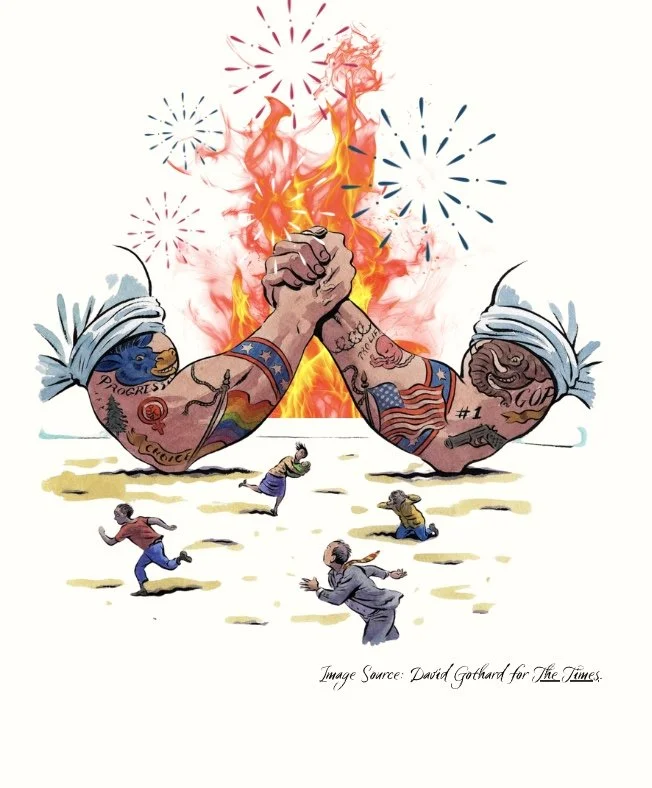
This course will explore the “culture wars'“ in American education over the last two hundred years, with a particular focus on conflicts involving religion, race, and sex. Dr. Zimmerman asks the following questions: “How and why did schools become an arena of cultural conflict in the United States? How have these debates changed over time? And how can historical analysis shed new light upon our present-day disputes and dilemmas?”
-
This timely and important course lets students engage with the text on a deep level by providing space for weekly responses and discussion questions to which Dr. Zimmerman, as is his practice, thoughtfully reads and provides feedback. During several classes, Dr. Zimmerman brings authors who are oftentimes his colleagues, mentors, or mentees for lectures and discussion. Due to the instability of this moment in time with unprecedented culture wars, the chance to be in this course provides me access to a wealth of history and scholarship that gives me the tools to discern the culture wars and tensions in my workplace. This course is ongoing, therefore, I do not have a final project yet. Stay tuned!
Digital Literacies in a Networked World
EDUC 5388 | Dr. Amy Stornaiuolo
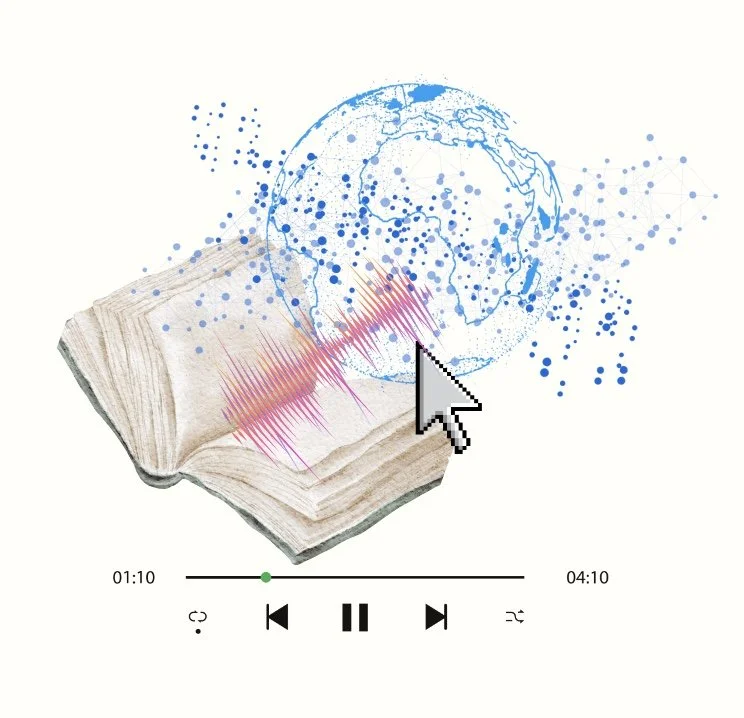
This course truly is a culmination of my work and studies combined into one class, distilling my interests in education, digital technologies, and social change. It is also inherently meta, the course asks us to study digital literacies while simultaneously participating in them, as we engage with digital tools, create public professional identities, and reflect on these practices in real-time. The course examines how literacy and learning are changing in the digital age, emphasizing how people use digital technologies within local and global networks. It explores digital literacies as socially and culturally shaped meaning-making practices, guided by principles of participation.
Education and Culture Wars: Historical and Contemporary Perspectives
-
The course asks, “How do shifting technologies influence authorship, knowledge production, and social relationships? How do power and privilege operate in digital spaces, and whose literacies are valued?” Through collaboration, discussion, and experimentation, we have three major projects exploring digital practices and their pedagogical implications for classrooms and beyond. For the first project, I studied a colleauge’s personal relationship with digital literacies and how it has guided her through chronic illness. Each week, we have a smaller scale digital literacy exercise to get to know the usage of new tools. This course allows me to both study and embody digital literacies, sparking deep reflection about how exnominated and pervasive (in the good and bad) technology is in our lives. This course is still ongoing, and final projects are forthcoming -- stay tuned.
Fall 2024
Social Organizations of Schooling
EDUC 7708 | Dr. Rand Quinn
In this graduate-level seminar, we explored educational and sociological concepts of organization, leadership, and professions through weekly assignments that examined foundational theoretical works alongside recent empirical applications. This enhanced our understanding of how classrooms, schools, school systems, and adjacent institutions function.
-
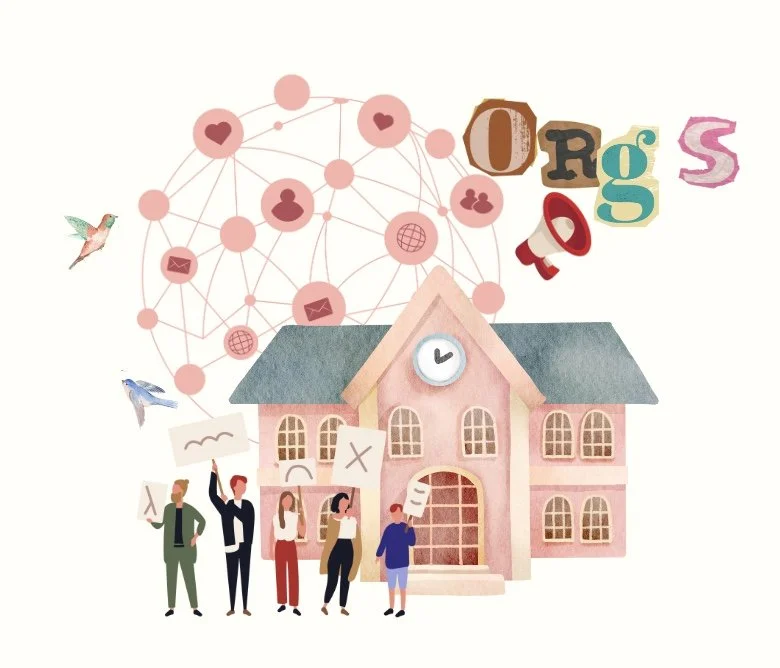
We studied how these diverse perspectives inform education research, policy, and practice. For my final project, I had the opportunity to use my current workplace as a case study. This project examines how COURIER a progressive digital media organization, leverages social capital to build credibility, foster grassroots partnerships, and navigate tensions between institutional norms and community values. Through concepts like credibility, racialized equity labor, and human capital, the presentation highlights the complexities of balancing donor expectations, audience trust, and authentic collaboration with marginalized communities. It emphasizes COURIER’s unique position as a resistance newsroom, working to bridge the gap between media and organizing while addressing systemic inequities in journalism and society.
Spring 2024
EDUC 5467 | Amit Das
This course dives deep into the power of filmmaking to spark meaningful intergenerational partnerships and agency among young people of the Philadelphia School District. By blending the art of filmmaking with ethnographic insights and community building, my class explored real-world issues within schools and communities outside of the “ivory tower” of the University of Pennsylvania. After extensive training in the fall semester “Ethnographic Filmmaking,” I felt confident in my ability as an amateur filmmaking to collaborate with high school students to craft films that amplify their voice, foster self-expression, build community, and highlight pressing social justice concerns that students wished to address.
-
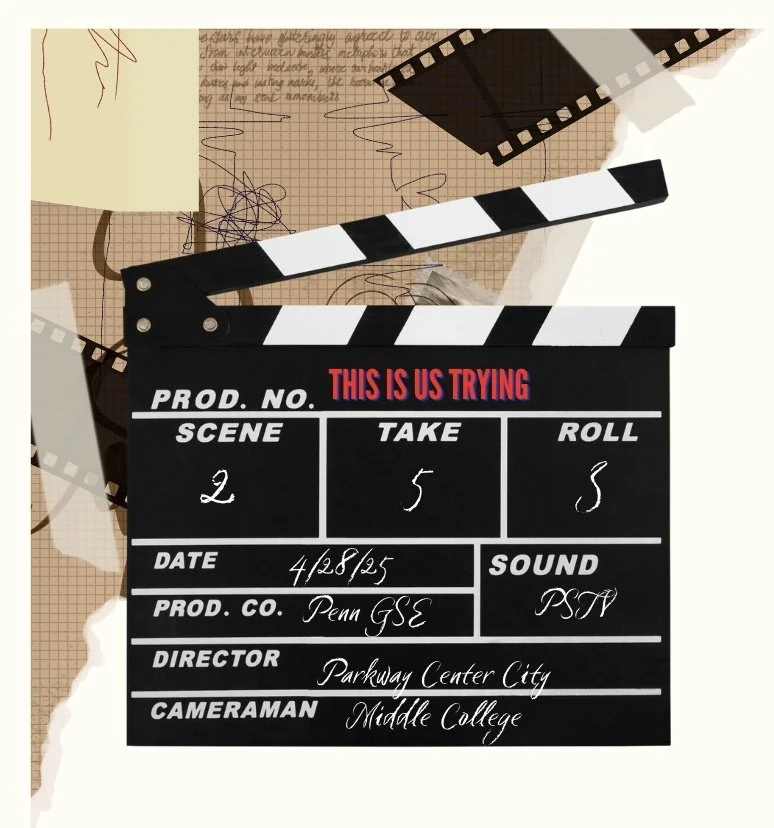
After extensive training in the fall course “Ethnographic Filmmaking,” I felt confident in my ability as an amateur filmmaking to collaborate with high school students to craft films that amplify their voice, foster self-expression, build community, and highlight pressing social justice concerns that students wished to address. The course critically examines how film used for community-based education can ignite dialogue, inspire action, and has the potential to drive social transformation, drawing from disciplines like Youth Participatory Action (YPAR) and Community Youth Research Methods. This hands-on experience was critical to my concentration in Community Action and Social Change, serving as an Academically Based Community Service course (ABCS), truly putting theory into praxis in a slow, nurturing manner that provided consistency for students whose lives are volatile. My group was placed with Parkway Center City Middle College in partnership with PSTV (Philadelphia Schools TV) and the Netter Center. The course culminated in two films. One fiction film, “This is Us Trying,” was about the intricacies of a high school student navigating friendship, standardized tests, family, and community obligations. The documentary I co-produced, directed, and edited, “Behind the Lens,” spoke to the significance of creative space in high-stress environments. It was an absolute joy fostering a deep connection with my classmates and the students at Parkway. Showcasing our film and the two other Penn team's films was an exceptional experience that brought several intergenerational communities together to celebrate the partnership.
Art and Social Work: The Ecology of Justice
SWRK 7170 | Dr. Aaron Levy and Dr. Toorjo Ghose
This course explores the transformative role of the arts in addressing systemic inequalities and fostering social justice, drawing parallels with the intricate relationship between education and societal structures. We examine crises such as contaminated water in Flint, Michigan and police violence in Baltimore, Maryland, as well as challenges faced by those reentering society. The strategy is to underscore the need for creative tools that critique and challenge entrenched inequalities.
-
Discussions incorporate diverse sources, including ethnographic accounts, personal narratives, and scholarly research, to understand how both art and education intersect with public systems and policies. A central focus is on amplifying marginalized voices, particularly those of youth, whose perspectives are often overlooked or oversimplified in mainstream discourse. Recognizing the agency and experiences of these individuals highlights the need for inclusive approaches in both art and education. Through interdisciplinary readings and projects, we examine how art can reshape narratives, reveal structural inequities, and promote communal well-being. Students engage with these ideas through collaborative projects and critical discussions, rethinking traditional approaches to public health and education. For our group final project, we created a visually striking “disruption” designed to capture attention and spark conversations about environmental issues. By engaging passersby, we aimed to raise awareness and encourage individuals, particularly those who are unaware or unaffected, to confront the shared impact of climate change. Our project combined a physical object with interactive exchanges to provoke thought and inspire dialogue about the collective responsibility we have toward the planet.
School and Society in America
EDUC 5490 | Dr. Kathleen Hall
This course provided an in-depth exploration of key research on the history of American education, policy, and social practice, focusing on how schools interact with governing institutions and the communities that shape them. We analyzed a variety of sources, including ethnographies, firsthand student narratives, and scholarly articles, with a special emphasis on the significance of student perspectives. These voices, often marginalized in mainstream discussions, offer critical insights into the complexities of educational experiences and the broader impact of policies. For the final project, we applied these insights to analyze educational reform, considering how to better integrate student voices into policy discussions and improve outcomes for minoritized groups.
Community Youth Filmmaking
-
The final project took place in many different forms. We decided to do a pedagogical zine for lifelong learners: teachers, parents, students, and youth, to explore why we are in a divisive moment where true history is being concealed and our agency as learners is restricted. It offers a curriculum with practical suggestions for community organizing, grounded in an understanding of history and systemic patterns of white supremacy, in response to challenges like book bans in public institutions.
Fall 2023
American School Reform: History, Policy, Practice
EDUC 5780 | Dr. Jonathan Zimmerman
At the start of the course American School Reform Dr. Zimmerman posed these questions : “What is the purpose of ‘school?’ How did schools begin, in the United States, and how have they evolved across time? How do children learn? How are they different from each other, and why and when should that matter? How should we teach them? And how should we structure schools and classrooms to promote learning?”
-
These questions were the roadmap for our learning and the course helped me become a better writer by engaging with weekly reading responses and discussion questions. Our ongoing dialogue with Dr. Zimmerman was layered with his meticulous review of our responses, providing feedback. The texts came alive even more when Dr. Zimmerman introduced a different author and subejct expert nearly every week to discuss their work with our class. Connecting with the scholars was invaluable, especially when we talked about applications. I gained a deeper understanding of history's complexities and contradictions, which gives me a more nuanced perspective of what “transformative change” can look like and who it benefits. For my final paper, our assignment was to write a memo to Miguel Cardona, Secretary of the Education under President Biden. Iwrote about the importance of democratic civics education and what the road we will find oursleves on leading to totalitarianism if we don’t combat the limitations being imposed by right white Christian nationalists. Civics curriculum is heavily influenced by political values, shaping what is taught and learned, which can hinder the development of informed democratic citizens. Acknowledging this inherent politicization is crucial for preserving an educational system that cultivates citizens capable of understanding and engaging with complex governance and societal dynamics.
Ethnographic Filmmaking
EDUC 5465 | Amit Das
This course, part one of a whole year course - coupled with Community Youth Filmmaking in Spring 2024, was the catalyst for my choice of Penn GSE and the Education, Culture, and Society Program. Throughout the semester we learned about the importance of multimodal scholarship (or extra-textual scholarship) and how film can be a medium for ethnography. This was a methods course and we saw the commonalities between film ethnography and qualitative research.
-
Our final documentary project (done in a group we were part of for the entire semester) encompassed all the traditional steps of an ethnography – (1) come up with a question based on curiosities we held; (2) draft a a proposal detail of our ideas for the documentary film; (3) identify participants who we could interview and do the necessary scheduling logistics; (4) interview participants, taking notes and paying close attention to their stories. This process allowed us to brainstorm what A-roll we wanted to use and B-roll to add another visual dimension; (5) transcribe, highlight and piece together each participant’s stories to create the film. Our project was intentionally a meta-analysis and reflection of the core components of our course that included interviewing scholars in the field. My team, named SEL^2 got involved with CAMRA early on and became really interested in space, seeing how our theories were being done in praxis. This was incredibly beneficial because I could begin building a foundation and connect to scholar-practitioners with similar values and motivations to envision a more multimodal inclusive academia while co-producing knowledge.
Collective Memory and Journalism
COMM 7390 | Dr. Barbie Zelizer
This course explored the intricate interplay between our collective understandings of the past and its profound impact on present-day academic knowledge. Central to the course was recognizing how historical narratives shape current engagements that impact our future. A key emphasis of my final project was studying the vital role of memory studies in amplifying the voices of marginalized communities whose stories are often sidelined or overlooked by conventional historical narratives.
-
This course explored the intricate interplay between our collective understandings of the past and its profound impact on present-day academic knowledge. Central to the course was recognizing how historical narratives shape current engagements that impact our future. A key emphasis of my final project was studying the vital role of memory studies in amplifying the voices of marginalized communities whose stories are often sidelined or overlooked by conventional historical narratives. Through an in-depth examination of memory as a tool for reclaiming and legitimizing diverse experiences, students gained insight into how marginalized perspectives can find resonance and validation within the broader discourse of history. In my final project, I delved into the theme of community agency in shaping collective memory and history, probing the profound implications of granting autonomy to communities in narrating their own stories. I grappled with questions of justice and representation by interrogating the transformative potential of community empowerment in uplifting narratives traditionally marginalized or omitted from mainstream discourse. Through the course readings and my final project, I was able to gain an understanding of the transformative potential of memory studies in challenging narratives, fostering greater inclusivity within academic discourse, and how history is curated to be remembered.
Master’s Seminar in Education, Culture, and Society
*Fall 2023-Spring 2024
EDUC 6490 | Dr. Leigh Llewellyn Graham & Dr. Alex Posecznick
The Master’s Seminar built a space where I could explore and clarify my personal and academic goals through peer work, interpersonal reflection, community building and guest lecturers, and support from faculty in the Education Culture, and Society department.
-
I appreciated the nature of our close-knit community cultivated in partnership with Dr. Graham for our portfolio group. My section of the Master’s Seminar intentionally chose the portfolio thesis route, taking additional coursework and focusing on Community Action and Social Change concentration. Over the year, I crystallized my deep belief in my work to be centered on community in partnership with academia. I continue to refine my academic voice and embodiment through the guidance of this course, which encouraged me to take risks. This year-long course gave me a space to think critically, feel intensely, and reflect.